
Language
Views: 0 Author: HUIPU Technical Team Publish Time: 2025-04-15 Origin: Site


Removing a wall-mounted hair dryer requires more than simply taking the unit off the wall. How you remove a wall-mounted hair dryer depends on how it's installed.
A plug-in wall-mounted hair dryer can usually be removed by disconnecting the power plug and removing the mounting bracket. A hardwired wall-mounted hair dryer is connected directly to the building electrical system and requires proper power isolation before any wiring work.
For hotels, commercial bathrooms, salons, and property renovation projects, understanding the installation type helps maintenance teams avoid electrical risks, wall damage, and unnecessary replacement issues.
This guide explains how to remove a wall-mounted hair dryer from the wall, including installation type identification, mounting bracket removal, wiring considerations, and replacement preparation for hotel and commercial bathroom applications.

Hotels, guest bathrooms, salons, and commercial facilities commonly install wall-mounted hair dryers because they save space and provide convenient access.
However, during the equipment lifecycle, removal may become necessary for several reasons.
Commercial hair dryers are used frequently. Over time, facilities may need to remove units because of:
Reduced performance
Physical damage
Loose mounting brackets
Electrical problems
Outdated product design
In hotel environments, replacing an existing unit is often part of routine room upgrades or maintenance planning.
Removing the old unit correctly helps prepare the installation area for the replacement model.
During hotel renovation or bathroom remodeling projects, wall-mounted hair dryers may need to be removed before:
Changing wall finishes
Updating bathroom fixtures
Adjusting electrical layouts
Installing new equipment
For renovation contractors, understanding the existing mounting method is important because different units may require different removal procedures.
Facility teams often remove equipment during scheduled inspections or upgrades.
A typical maintenance process may include:
Identifying equipment condition
Reviewing installation type
Disconnecting power safely
Removing the existing unit
Preparing the area for repair or replacement
A structured removal process reduces unexpected problems during commercial maintenance projects.
Before removing a wall-mounted hair dryer, confirm how the unit receives power.
This is the most important step because plug-in and hardwired models require different removal procedures. Understanding the difference between plug-in and hardwired wall-mounted hair dryer options helps maintenance teams choose the correct removal procedure.
A plug-in model connects to a standard electrical outlet.
These units are usually easier to remove because the power connection can be disconnected without accessing building wiring.
Typical removal process:
Turn off the dryer
Disconnect the power plug
Remove the dryer from the wall holder
Remove the mounting bracket or screws
Common locations include:
Hotel guest bathrooms
Residential bathrooms
Small commercial spaces

| Feature | Plug-In Wall Mounted Hair Dryer |
|---|---|
| Power connection | Electrical outlet |
| Removal process | Disconnect plug and remove bracket |
| Main consideration | Protect outlet and mounting surface |
| Typical maintenance difficulty | Lower |
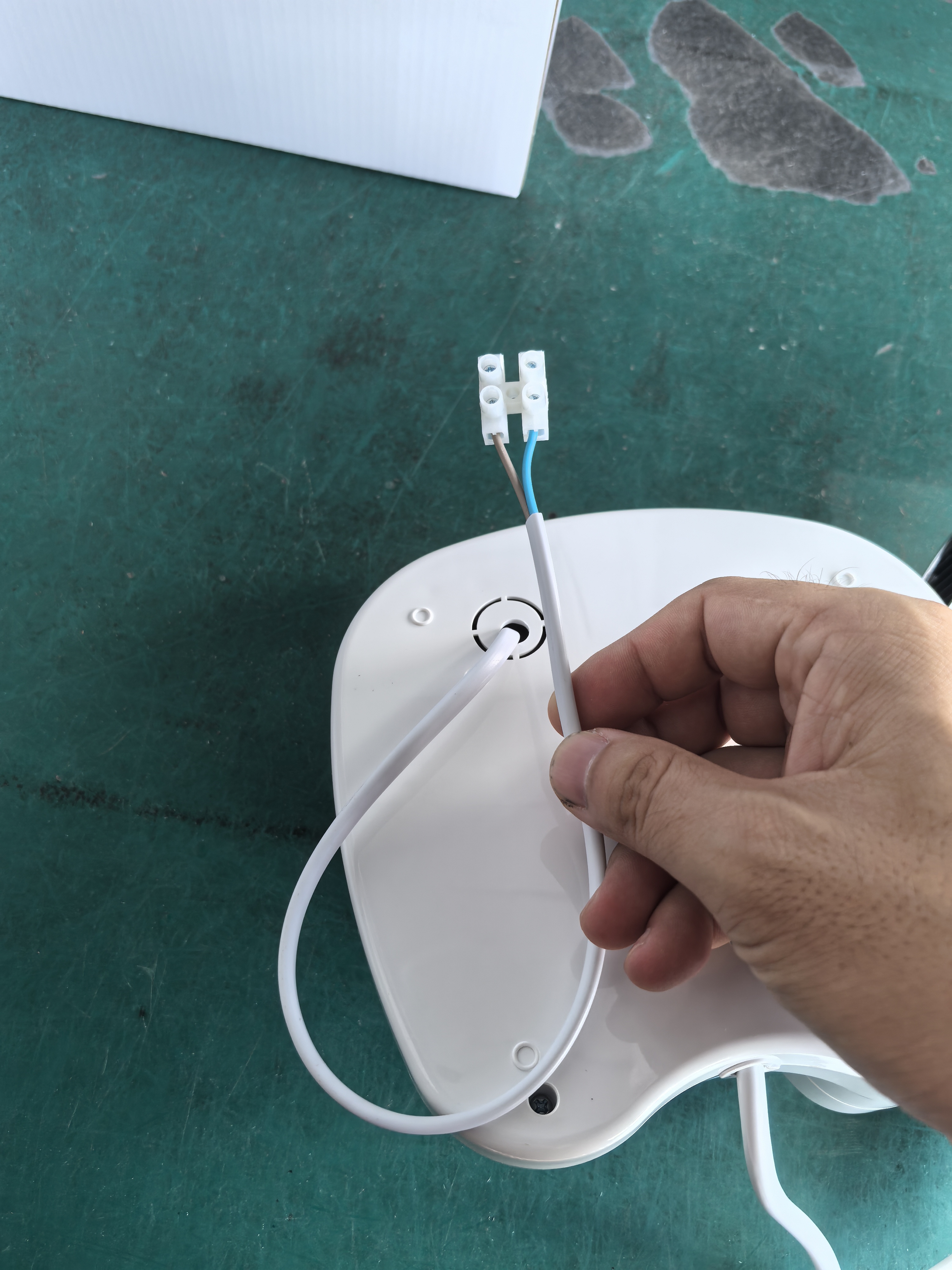
A hardwired wall-mounted hair dryer connects directly to the building electrical supply.
These units are often used in commercial installations where a fixed electrical connection is preferred.
Before removal:
Shut off the appropriate circuit power
Confirm the power source is disconnected
Follow applicable electrical safety procedures
In the United States, electrical work should follow applicable requirements of the National Electrical Code (NEC) and local regulations.
For hotel facilities and commercial buildings, hardwired removal is normally handled by qualified maintenance personnel or electricians when wiring must be disconnected.
| Feature | Hardwired Wall Mounted Hair Dryer |
|---|---|
| Power connection | Direct electrical connection |
| Removal process | Power isolation and electrical disconnection |
| Main consideration | Electrical safety |
| Typical application | Commercial installations |
Removing a wall-mounted hair dryer in a commercial environment usually involves more than removing screws.
A proper removal process includes:
confirming the equipment condition;
identifying the power connection type;
removing the mounting structure;
checking the installation area;
preparing for replacement.
The following steps combine standard maintenance procedures with practical hotel replacement experience.
Before removing the unit, maintenance teams should first confirm whether replacement is necessary.
For example, a hotel maintenance request may report:
dryer does not respond after pressing the switch;
airflow stops working;
unit has visible damage.
Before removal, check:
| Inspection Item | Purpose |
|---|---|
| Power response | Confirm whether the unit operates |
| Physical condition | Check housing or mounting damage |
| Maintenance history | Evaluate repair frequency |
| Replacement availability | Prepare new equipment before removal |
Before removing the wall-mounted hair dryer, confirm whether it is:
Plug-in model;
Hardwired model.
For plug-in units:
Turn off the dryer;
Disconnect the plug from the outlet;
Remove the dryer from the wall holder.
For hardwired units:
Identify the electrical connection;
Shut off the related power supply;
Verify power isolation before accessing wiring.
For commercial facilities in the United States, electrical work should follow applicable NEC requirements and local regulations.
Before starting removal, prepare suitable tools.
Common tools include:
| Tool | Purpose |
|---|---|
| Screwdriver | Remove mounting screws |
| Electric drill | Assist with accessible screws |
| Pliers | Handle small hardware or adjustments |
| Electrical tape | Used for approved electrical maintenance procedures |
| Replacement unit | Prepare before installation |
During actual hotel maintenance work, technicians may find that some screws are difficult to access because of the mounting position.
For example, one fixing screw may be located in a narrow area where a drill cannot reach. In this situation, using a manual screwdriver can provide better control and reduce the risk of damaging the mounting bracket.
After removing the dryer body, remove the wall holder and mounting bracket.
The process usually includes:
Remove accessible screws;
Support the bracket during removal;
Remove remaining fixing points;
Separate the bracket from the wall carefully.
During commercial replacement projects, existing installations may use hidden wiring or concealed cable routing.
Careful removal helps protect:
wall finishes;
bathroom tiles;
existing electrical paths.
After removing the old unit, inspect the installation area.
Check:
| Area | Inspection |
|---|---|
| Wall surface | Cracks, holes, old sealant |
| Mounting location | Whether it can be reused |
| Cable routing | Condition and available space |
| Replacement compatibility | Size and installation requirements |
In some replacement projects, the new wall-mounted hair dryer may require small adjustments.
Examples:
Different mounting hole positions;
Different cable entry locations;
Different base dimensions.
Checking these details before installation avoids additional modification work.
After preparation:
The maintenance team can proceed with replacement installation.
Typical steps include:
Position the new mounting base;
Secure the bracket;
Organize the internal cable area;
Confirm stable installation;
Test operation.
For bathroom applications, also inspect the sealing condition around the mounting area.
Proper sealing helps reduce the risk of moisture entering gaps between the wall and mounting base.
Removing a wall-mounted hair dryer may seem simple, but commercial projects often involve additional considerations.
| Challenge | Why It Happens | Recommended Approach |
|---|---|---|
| Unknown power type | Older installations may not have clear documentation | Confirm plug-in or hardwired connection first |
| Wall damage risk | Tiles and finished surfaces can be fragile | Remove brackets carefully |
| Old mounting hardware | Previous installations may use different brackets | Inspect before replacement |
| Replacement compatibility | New models may have different requirements | Check specifications before installation |
A careful removal process saves time during replacement projects.
After removing an existing unit, many facilities plan to install a replacement model.
Before choosing a new wall-mounted hair dryer, check the following factors.
| Check Point | Why It Matters |
|---|---|
| Power requirement | Ensures electrical compatibility |
| Installation method | Matches existing setup |
| Mounting location | Avoids unnecessary wall modification |
| Usage environment | Suitable for hotels, salons, or bathrooms |
| Product durability | Supports long-term commercial use |
For hotels and commercial properties, replacement decisions should consider both installation conditions and daily usage requirements.
Not every issue requires immediate replacement. However, replacement may be considered when:
Examples include:
Reduced airflow
Unstable operation
Repeated maintenance issues
Physical damage can affect:
Safety
Appearance
Installation stability
Renovation projects often provide an opportunity to upgrade bathroom equipment and improve consistency across rooms.
Hotels and commercial facilities may replace older models when they need:
Updated design
Different installation requirements
Improved user experience
For hotel engineering teams and property managers, a simple checklist can help standardize removal procedures.
| Task | Completed |
|---|---|
| Confirm equipment location | □ |
| Identify plug-in or hardwired connection. | □ |
| Review safety procedures | □ |
| Disconnect power safely | □ |
| Remove dryer from wall holder. | □ |
| Remove mounting bracket | □ |
| Inspect wall condition | □ |
| Prepare replacement plan | □ |
This checklist can help maintenance teams avoid missing important steps during equipment replacement.
After removing an existing unit, the next decision is selecting a suitable replacement.
Commercial buyers should evaluate:
The replacement model should match:
Available space
Power requirements
Mounting conditions
Different applications may have different requirements.
| Application | Considerations |
|---|---|
| Hotels | Reliability and easy maintenance |
| Salons | Frequent daily operation |
| Bathrooms | Space efficiency and safety |
For commercial projects, buyers often evaluate:
Product consistency
Customization options
Technical support
Supply capability
Choosing the right replacement solution helps reduce future maintenance requirements.
Yes, a wall-mounted hair dryer can be removed, but the process depends on the installation type.
Plug-in models are usually easier to remove after disconnecting the power plug, while hardwired models require power isolation before disconnecting the electrical connection.
Hardwired models require power isolation before removal. Electrical disconnection should follow applicable safety procedures and local requirements.
Plug-in models can usually be removed after unplugging from the outlet. Hardwired models require disconnecting from the building electrical supply.
Hotel maintenance teams usually identify the installation type, follow facility safety procedures, remove the existing unit, and prepare the area for replacement equipment.
Common tools include screwdrivers, safety gloves, and wall repair tools. The exact tools depend on the mounting bracket design.
Yes. After removing an old wall mounted hair dryer, check the mounting position, power connection, and installation requirements before installing a replacement model.
For installation steps, refer to our wall-mounted hair dryer installation guide.
Replacement may be considered when the unit has repeated failures, physical damage, outdated installation requirements, or no longer meets facility needs.
Removing an existing wall-mounted hair dryer is often the first step in a replacement or renovation project.
For hotels, commercial facilities, and property management teams, the right replacement decision depends on installation compatibility, durability requirements, and long-term maintenance needs.
If you are planning to upgrade wall-mounted hair dryers for hotels, salons, or commercial bathrooms, review the product specifications and application requirements before selecting a new solution.
Proper prep work after uninstallation is essential for a seamless upgrade. Once the old unit is removed and the wall surface is prepared, follow our step-by-step guide on "how to install a new wall-mounted hair dryer correctly" to ensure safe wiring and long-term durability.


