
Language
Views: 0 Author: Site Editor Publish Time: 2025-08-05 Origin: Site


Choosing a hair dryer for a B2B project is different from buying one for personal use. A retail buyer may compare wattage, styling attachments, or hair type. But importers, hotel suppliers, salon distributors, and private label brands need to check whether the product can match their market, certification requirements, plug type, voltage, packaging plan, OEM needs, and long-term supply expectations.
As a hair dryer manufacturer, HUIPU does not recommend judging a model only by power or appearance. For bulk orders, buyers should look at the complete product configuration: motor type, airflow performance, safety structure, real functional components, certification support, sample confirmation and finished-product inspection before shipment.
This guide explains what B2B buyers should look for in a hair dryer before placing wholesale, hotel, salon or private label orders.
For B2B sourcing, the first question is not “which hair dryer is best?” The better question is: “Which hair dryer configuration fits my market and channel?”
A European importer, a hotel supplier, a salon distributor and a private label brand may need different product types, plug options, voltage configurations and packaging solutions.
For European-market buyers, CE, CB and RoHS documentation, 220–240V configuration, EU or UK plug options, multilingual manuals and stable batch quality are often more important than adding every premium feature.
For hotel suppliers, safety, durability, wall-mounted options, anti-theft design and overheating protection are usually key concerns.
For salon channels, buyers should look more closely at motor type, airflow, weight, continuous-use design, noise level, removable filters and temperature control.
For private label brands, the focus may shift to logo customization, color, packaging, feature combination, product story and market differentiation.
A good B2B hair dryer is not simply the most powerful model. It is the model that fits the buyer’s target market, price range, sales channel and long-term after-sales expectations.
Hotel buyers should not use one standard rule for every hotel project. From our manufacturing and customer communication experience, economy hotels, mid-range hotels and premium hotels usually need different product configurations.
For economy hotels, buyers usually care more about durability, safety and loss prevention. A wall-mounted hair dryer with stable performance, anti-theft structure and overheating protection may be more suitable than a high-end handheld model with many premium functions.
In this type of project, the buyer should look for:
Wall-mounted structure
Anti-theft design
Overheating protection
Easy daily maintenance
Stable supply
Reasonable unit cost
Premium features such as far infrared, display screens or magnetic nozzles may not be necessary for cost-sensitive hotel projects.
Mid-range hotels usually need a balance between function, appearance and cost. Buyers may look for higher power, better product shape, safe structure, OEM logo support and suitable packaging.
For this segment, buyers should consider:
Stable power and airflow
Better product appearance
Safety protection
OEM logo option
Reliable packaging
CE, CB and RoHS documentation for European-market projects
Premium hotels often require a better guest experience. In this case, a high-speed BLDC hair dryer with a modern appearance, negative ion function, lower noise, and logo customization may be more suitable.
For premium hotel projects, buyers should look for:
High-speed BLDC motor
Negative ion function
Lightweight body
Low-noise operation
Premium appearance
Logo customization
Certification support
Stable sample-to-bulk consistency
The key is not to choose the most expensive model, but to match the hotel positioning.
Motor type is one of the most important factors in B2B hair dryer sourcing. It affects airflow, noise, weight, durability, cost, and long-term after-sales risk.
HUIPU high-speed BLDC hair dryer models use 110,000 RPM motor configurations. For high-end models, motor data such as RPM, 2000h+ service life, and bearing configuration can be supported by reports from the motor supplier. Since the BLDC motor is sourced from a professional motor supplier, component-level documentation is useful for buyers who need to verify premium positioning.
BLDC models are more suitable for:
High-end hotel projects
Salon channels
Premium retail brands
Private label programs
Buyers who need stronger airflow, lower noise and a modern product story
However, BLDC is not necessary for every order. For cost-sensitive wholesale orders or economy hotel projects, a traditional motor model may be more practical if the buyer’s priority is stable supply and controlled cost.
From a manufacturer’s perspective, B2B buyers should not only compare motor price. They should also check whether the motor configuration matches the expected market level, user frequency, and after-sales risk.
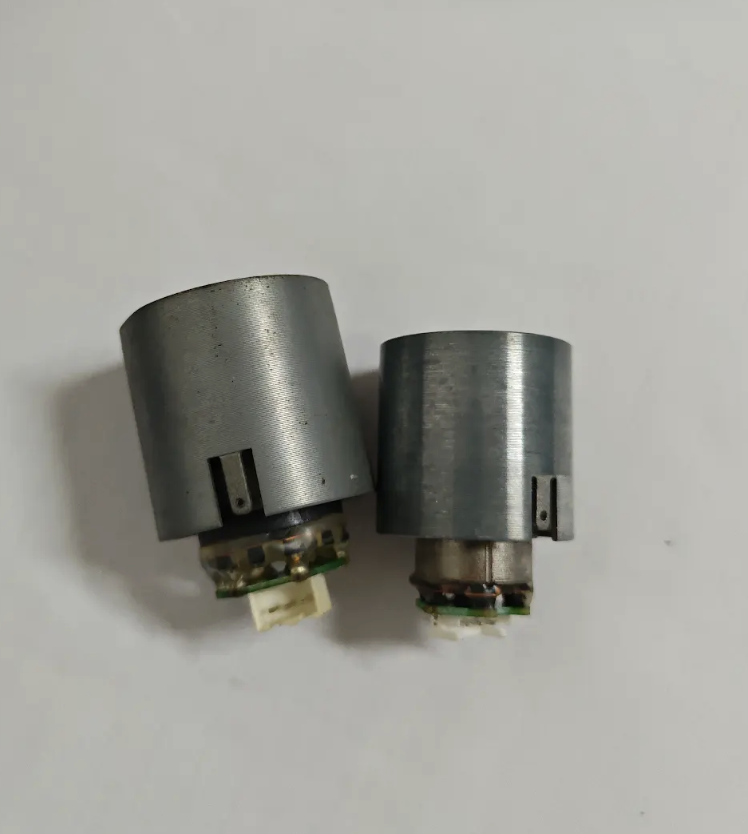
Many buyers start by asking about wattage. Wattage matters, but it should not be the only performance indicator.
For B2B sourcing, buyers should also check:
Airflow speed
Motor efficiency
Heating structure
Temperature stability
Noise level
Cooling design
Continuous-use ability
Overheating protection
A higher wattage does not automatically mean better drying performance if airflow design, motor efficiency, and temperature control are not well balanced.
For selected high-end models, HUIPU uses an air-cooling channel design, helping the dryer work continuously without requiring a separate cooling interval. This is useful for salon channels, premium hotel projects, and other high-frequency usage scenarios.
Weight also matters by channel. Some high-end models can reach around 300g, while many general models are around 500g. For salon and premium retail channels, lighter weight improves user experience. For wall-mounted hotel models, safety, anti-theft structure, and installation stability may be more important than handheld weight.
For importers and distributors, certification, plug type and voltage should be confirmed before color, packaging or appearance details.
HUIPU hair dryer models are supported with CE, CB and RoHS documentation. This is especially important for European-market importers, distributors, hotel suppliers and private label buyers.
Buyers should confirm:
Target country voltage
EU, UK, US or other plug type
CE, CB and RoHS documentation
Manual language
Packaging requirements
Local importer or platform rules
For the US market, UL or ETL certified plug options can be discussed according to the selected configuration. This should not be confused with full-product UL or ETL certification, which needs to be reviewed separately based on the buyer’s market and sales channel.
For Brazil and other dual-voltage markets, the SG-06 wall-mounted model supports automatic voltage adjustment as a standard configuration. For other models, wide-voltage PCB or dual-voltage solutions need to be discussed as customized projects.
Wrong voltage or plug configuration can create serious import, sales, and after-sales problems. B2B buyers should confirm these details before sample approval.
Functions such as negative ions, far infrared, magnetic nozzles, display screens, and self-cleaning can support a stronger product story. But B2B buyers should confirm whether these features are supported by real components and whether they match the target price level.
For ionic hair dryer projects, buyers should confirm whether the product uses a real negative ion generator. HUIPU sources negative ion components from component suppliers, and supplier-side test documentation can be provided for selected configurations. This helps buyers avoid relying only on packaging or marketing claims.
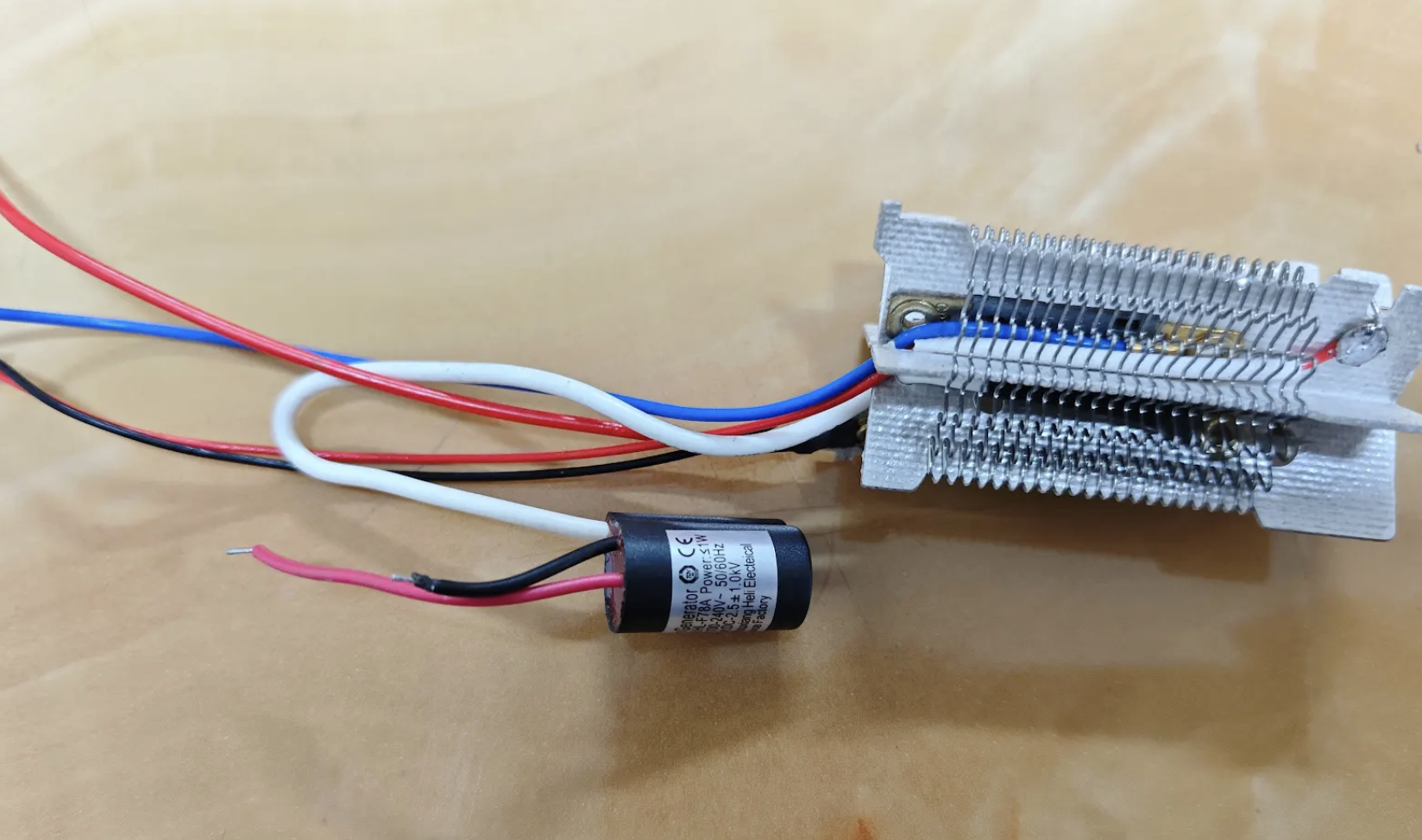
Far infrared function is available only for selected models because it increases product cost. We usually recommend far infrared for premium private label, salon, or high-end retail projects, rather than cost-sensitive wholesale orders.
Other premium features may include:
Magnetic nozzle
Display screen
Self-cleaning function
Detachable double-layer filter
360° rotating power cord
Multiple temperature settings
Multiple speed settings
More features do not always mean a better sourcing decision. The right feature combination depends on the buyer’s market, retail price range and brand positioning.
A B2B buyer is not only choosing a hair dryer model. They are also choosing whether the supplier can support their market and brand plan.
HUIPU supports OEM/ODM customization for B2B buyers, including:
Logo customization by silk printing or labeling
Standard white box packaging
Custom color box packaging
Gift box packaging
Multilingual user manuals
Plug customization
Voltage customization
Wide-voltage PCB customization for selected projects
New mold development, with mold cost covered by the buyer
The standard MOQ for most hair dryer models is 500 pcs. For selected high-speed BLDC hair dryer models, MOQ can start from 300 pcs depending on configuration and customization requirements.
Sample lead time is usually 3–5 days. Bulk production lead time is usually around 25–35 days, depending on order quantity, customization details, and production schedule.
Before confirming an OEM order, buyers should clarify logo position, packaging type, manual language, plug type, voltage, accessory set, and final product configuration.
For B2B buyers, a sample is not only for trying the drying effect. It should become the reference standard for mass production.
Before approving a sample, buyers should check:
Product appearance
Plug type
Power cord
Nozzle set
Color
Logo position
Packaging
Manual language
Voltage configuration
Motor type
Functional components
Safety structure

Many suppliers say they have strict quality control. B2B buyers should ask what is actually checked before shipment.
At HUIPU, motors are not moved directly into production after arrival. Incoming motors are sampled and checked first. Before storage, the warehouse conducts another inspection. This creates two inspection steps before production.
Negative ion components follow a similar incoming-check process. This helps verify that the ionic function is supported by real components before assembly.
In our internal QC process, airflow is usually checked at around 30cm from the air outlet. Operating noise is checked at around 30–50cm from the complete unit. These internal checks help compare batch consistency before shipment.
Packaging is also checked to confirm that the product, accessories, manual and outer packaging are complete and suitable for delivery. For importers, distributors and hotel suppliers, packaging inspection helps reduce complaints after receiving goods.
The purpose of full inspection is simple: reduce after-sales risk and help each unit match the customer’s confirmed requirements as closely as possible.
The lowest unit price does not always mean the lowest total cost. If a product creates high after-sales complaints, wrong plug problems, or poor packaging feedback, the final cost may be higher.
Wattage is only one part of performance. Buyers should also check airflow, motor type, temperature control, cooling structure, noise and overheating protection.
For European-market projects, CE, CB, RoHS, 220–240V configuration and EU/UK plug options should be confirmed early.
UL or ETL certified plug options are not the same as full-product UL or ETL certification. Buyers should confirm their local sales channel requirements separately.
Economy, mid-range and premium hotels need different configurations. A low-cost wall-mounted model may be right for economy hotels, while a BLDC model may be more suitable for premium rooms.
Far infrared, display screens, magnetic nozzles and self-cleaning functions can increase product value, but they also increase cost. They should match the buyer’s target market and price range.
Logo, packaging, plug, manual language, voltage and accessory set should be confirmed during the sample stage, not after bulk production starts.
Buyers should check whether the supplier inspects motors, functional components, finished products, airflow, noise, overheating protection and packaging before shipment.
| Buyer Scenario | Recommended Product Type | What to Look For |
| Economy hotel projects | Wall-mounted hotel hair dryer | Durability, anti-theft design, overheating protection, easy maintenance |
| Mid-range hotel projects | Wall-mounted or better-designed hotel model | Power, appearance, safety, OEM logo, packaging |
| Premium hotel projects | High-speed BLDC hair dryer | BLDC motor, negative ions, low noise, lightweight design, premium appearance |
| Salon channels | High-speed BLDC or professional hair dryer | Continuous use, airflow, weight, removable filter, cooling channel |
| Private label brands | BLDC, ionic or selected far infrared models | Logo, packaging, manual, feature story, certification |
| Travel or retail channels | Foldable or compact hair dryer | Size, weight, plug, voltage, packaging, retail positioning |
For B2B buyers, a good hair dryer is not simply the most powerful or most expensive model. It is a product that matches the buyer’s market, hotel level, sales channel, certification requirement, plug and voltage configuration, OEM plan and quality control expectations.
Importers, hotel suppliers, salon distributors and private label brands should look for more than styling features. They should evaluate motor type, airflow, safety structure, real functional components, customization readiness, sample approval and finished-product inspection before shipment.
As a hair dryer manufacturer, HUIPU helps B2B buyers compare product types, confirm European-market requirements, prepare samples, discuss OEM/ODM customization and reduce sourcing risk before bulk orders.
If you are sourcing hair dryers for European distribution, hotel projects, salon channels or private label programs, contact HUIPU to discuss the right configuration for your market.
B2B buyers should look for market fit, motor type, airflow, certification, plug and voltage compatibility, OEM/ODM customization, sample approval process and shipment inspection. Unlike retail buyers, B2B buyers need to consider whether the product can be imported, sold, customized and supplied consistently in bulk.
Yes. HUIPU mainly serves B2B buyers in the European market and supports CE, CB, RoHS, 220–240V configuration, EU/UK plug options, OEM packaging and multilingual manuals.
A: The best hair dryer for fine hair should offer lower heat settings to prevent damage. Look for ceramic or ionic hair dryers as they distribute heat evenly and reduce frizz while maintaining moisture. These dryers help smooth and protect fine hair from excessive heat damage.
A: For wholesale or private label projects, buyers should consider target market, wattage, motor type, airflow, heating technology, safety certifications, packaging, customization options, and supplier manufacturing capability. The right model should match your price range, sales channel, and long-term sourcing plan.
A: Hotel and travel hair dryers usually focus on safety, compact design, and stable performance. Salon and professional hair dryers often need stronger airflow and higher performance. Private label and retail hair dryers should balance wattage, design, user experience, and product positioning.
A: Ionic hair dryers are suitable for frizz-control claims. Ceramic hair dryers offer even heat distribution. Tourmaline hair dryers support smoother drying with negative ion performance. Titanium hair dryers heat quickly for stronger drying. Infrared hair dryers use gentle heat and are often positioned for salon or premium product lines.
For a detailed technology comparison, read: The Difference Between Hair Dryers: Infrared, Ionic, and More.
A: Yes, professional hair dryers provide faster drying, more consistent heat, and advanced technologies, making them a great investment for those who want high performance and longer-lasting results. Brands like HUIPU offer premium dryers perfect for home and salon use.


